
These factors include lack of sleep, low blood sugar, and anxiety and stress. By understanding the causes of hangover tremors, individuals can take steps to prevent or manage them effectively. Moderating alcohol consumption, staying hydrated, and maintaining electrolyte balance are key factors in reducing the likelihood of experiencing hangover tremors. Dehydration affects the balance of electrolytes in the body, leading to imbalances that can contribute to muscle spasms and tremors. It is important to replenish fluids by drinking water or electrolyte-rich beverages to help alleviate hangover symptoms and reduce the likelihood of tremors.
- If you or someone you love are experiencing hangover shakes, it may be a sign that you need help to stop drinking, which will stop you from shaking.
- To understand the causes of hangover tremors, it’s important to explore how alcohol affects the nervous system.
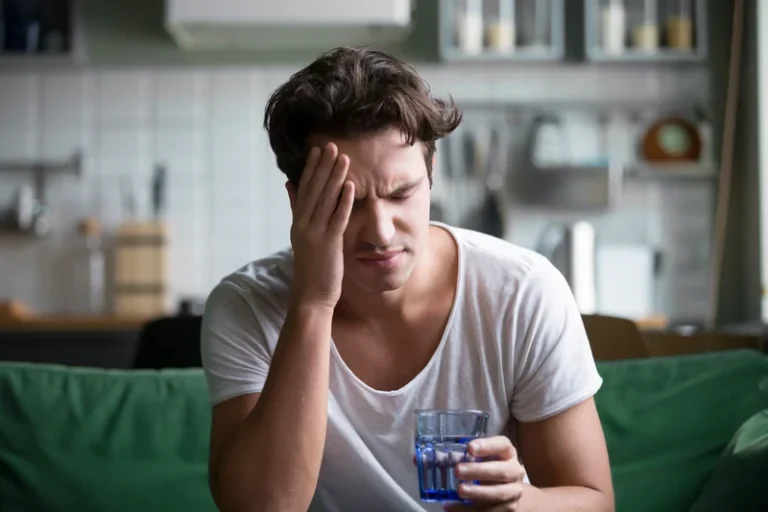
- Hangover shakes, also referred to as tremors, are characterized by involuntary trembling that a person experiences after consuming alcohol, typically during a hangover.
- As mentioned, the body metabolizes alcohol at a rate of about one drink per hour, and there’s no way to expedite this process.
Psilocybin Trials Show Promising Addiction Treatment
- This cycle can lead to physical and psychological dependence, which may require intervention or treatment.
- Drinking more alcohol to cure a hangover may lead to an even worse hangover when you stop 5.
- Hangover shakes are tremors that some people experience after they stop drinking alcohol.
- A person who regularly uses alcohol and then stops is at risk of severe alcohol withdrawal symptoms, including delirium tremens (DT).
However, if you or someone you know experiences severe withdrawal symptoms, it is crucial to seek medical attention immediately. Reducing alcohol consumption, staying well-hydrated, and consuming food with carbohydrates can help reduce the chances of experiencing hangover shakes. If you’re struggling with alcohol addiction, consider seeking professional help to safely and effectively manage your addiction. The most effective way to prevent hangover shakes is to abstain from or significantly moderate alcohol use.

Definition and Symptoms
It typically occurs when alcohol intake is abruptly reduced or stopped after a period of heavy drinking. Immediate medical care is necessary for individuals experiencing delirium tremens. If you or someone you know experiences alcohol shakes or other withdrawal symptoms, it may indicate a physical dependency on alcohol.
Prevention and Recovery Strategies
- Staying hydrated is crucial in preventing hangover symptoms, including shakes.
- When a person consumes alcohol, it acts as a depressant on the nervous system.
- Electrolyte imbalances can contribute to muscle twitches, spasms, and tremors.
- They can help you address any underlying issues related to alcohol consumption and provide appropriate treatment options.
- It’s best to drink a hangover shake as soon as possible after waking up with a hangover, ideally within the first hour or two.
However, when alcohol is metabolized and its effects wear off, the nervous system can become overexcited, leading to symptoms of alcohol withdrawal, including hangover shakes. This overexcitation can cause temporary changes in neurotransmitter activity, resulting in tremors that are most commonly felt in the hands and fingers. In some cases, chronic alcohol use can lead to cerebellar tremors, affecting the arms, hands, legs, or feet due to damage to the brain area known as the cerebellum. Remember, while these strategies can help manage hangover shakes, they may not completely eliminate symptoms, especially in cases of severe hangover shakes dehydration or electrolyte imbalance.
How to Develop a Strong Identity Beyond Addiction
Additionally, engaging in relaxation techniques such as deep breathing exercises, meditation, or gentle stretching can help promote relaxation and reduce stress levels. These practices can contribute to an overall sense of well-being and help alleviate hangover shakes. Additionally, alcohol affects other neurotransmitters, such as dopamine and serotonin, which play a crucial role in mood regulation and coordination. Changes in the levels of these neurotransmitters can further contribute to the development of hangover shakes. Another factor contributing to hangover shakes is the imbalance of neurotransmitters in the brain.
How to Detox for a Drug Test: Effective Methods and Tips
It’s best to drink a hangover shake as soon as possible after waking up with a hangover, ideally within the first hour or two. Drinking more alcohol to reduce a hangover is not generally recommended, as it may lead to an even worse hangover and increase your risk of alcohol abuse and addiction. That helps explain why some people swear by the “hair of the dog” – another alcoholic drink – to cure their hangover. Get professional help from an online addiction and mental health counselor from BetterHelp.
Reach Out to Our Recovery Experts 24/7
Either way, it provides hydration without any added sugar, making it a good choice of liquid to add to your smoothie (36). Smoothies, when made with a balance of nutrients, can help increase and then regulate your blood sugar to reduce symptoms. In addition, if your what is alcoholism excess alcohol intake leads to vomiting or diarrhea, you lose more fluids and electrolytes. While smoothies are unlikely to cure a hangover, they may reduce symptoms and help you feel better more quickly. Alcohol acts as a diuretic, promoting increased urine production and subsequent dehydration.
These tremors are typically experienced in the hands, fingers, arms, and even the voice, stemming from changes in the nervous system that resemble alcohol withdrawal symptoms. Generally, hangover shakes can last up to a day or two, depending on factors such as the amount of alcohol consumed and individual body composition. Hangover symptoms, including shakes, typically peak when blood alcohol concentration (BAC) reaches zero and can last up to 24 hours after drinking. The duration of hangover shakes can vary from person to person and may be influenced by factors such as the amount of alcohol consumed, individual tolerance, and overall health. By focusing on rehydration, rest, and proper nutrition, you can effectively treat hangover shakes and facilitate your body’s recovery.